
spinal fusion surgery permanent back pain relief
Home > Blogs > spinal-fusion-surgery-permanent-back-pain-relief Spinal Stabilization Surgery What Is Spinal Fusion Surgery and Does It Permanently Stop Back Pain? Understand how spinal fusion joins unstable vertebrae, which conditions may require it, what recovery involves, and why long-term pain relief depends on an accurate diagnosis. Has Spinal Fusion Been Recommended? Speak with Dr. Amogh Zawar about spinal instability, slipped vertebrae, damaged discs, deformity, nerve compression, and alternatives to fusion. Call +91 84519 12287 Back pain is a major health issue that affects millions of people across the globe. In India, back pain is incredibly common, with studies showing that nearly 60% of the population experiences severe back pain at some point in their lives. While many individuals find relief through simple treatments like physical therapy or daily exercise, others face constant discomfort that makes it hard to live a normal life. When standard treatments fail to provide relief, doctors often suggest a surgical procedure known as spinal fusion. This operation aims to stabilize the back, but many patients wonder if it is truly a permanent fix for their chronic pain. 01 Stops painful movement between selected unstable vertebrae 02 Can improve stability, nerve symptoms, posture, and mobility 03 Does not guarantee that every source of back pain disappears Understanding How the Procedure Works To understand this surgery, it helps to think of the spine as a chain of interlocking bones called vertebrae. When these bones move too much, they can rub against each other or contribute to pressure on nearby nerves, causing severe pain. During a spinal fusion, a surgeon permanently connects two or more of these bones together. By locking them into place, the surgery stops the treated bones from moving independently. Over time, the bones heal into one solid unit. To support this process, surgeons use bone graft or bone-graft substitutes to fill the space, along with screws, rods, cages, or other implants to hold the spine stable while fusion develops. Common Conditions Treated by Fusing Spine Bones This operation is not meant for everyday muscle aches. Instead, it treats specific structural problems in the back. For instance, it can help selected patients with scoliosis, where the spine curves abnormally. It may also be used for slipped vertebrae, damaged discs, fractures, deformity, severe degeneration, or instability that compresses nerves. If you suffer from constant numbness or weakness in your legs due to these conditions, meeting with an experienced spine surgeon in Thane can help determine whether your specific back problem requires fusion. Spinal fusion is commonly considered for conditions such as spondylolisthesis, damaged or herniated discs, and spinal deformities. How to Prepare Before the Operation Getting ready for surgery involves several important steps to keep you safe. Your medical team will request blood tests and a full health checkup to ensure your body is ready for the procedure. You will need to share a list of all your medicines, as you might have to pause or adjust some of them before the operation. It is also vital to quit smoking or vaping because nicotine can interfere with bone healing. Finally, arrange for a family member or friend to help you at home afterward, as you may not be able to drive, bend repeatedly, or lift heavy objects during the initial recovery period. What to Expect on the Day of Surgery On the day of the procedure, you will receive general anesthesia so you remain asleep and do not feel pain. The surgeon can reach the spine through the back, side, front of the abdomen, or neck depending on the spinal level, condition, and chosen fusion technique. A top spine surgeon in Thane may use advanced imaging, navigation, robotic guidance, or minimally invasive instruments to position bone grafts and implants accurately. The procedure may take several hours depending on how many levels are treated and the complexity of the condition. After surgery, the incision is closed and you are moved to a monitored recovery area. SpineFix provides minimally invasive spine surgery and navigation-assisted spine surgery for selected fusion and stabilization procedures. Do You Actually Need Spinal Fusion? Fusion should be considered only after confirming that instability or a structural spinal problem is the true source of symptoms. Call Now Book Consultation The Benefits of Joining Vertebrae Together The biggest potential benefit of this surgery is meaningful pain relief when the pain is caused by spinal instability or painful movement at a specific level. By stopping movement between the unstable bones, the operation can remove an important source of daily discomfort. Fusion may also support decompressed nerves and reduce numbness, tingling, or weakness in the arms or legs when nerve pressure is treated at the same time. As the spine becomes more stable, many patients find they can stand straighter, walk longer distances, and return to daily activities that were previously difficult. Potential Risks and Complications to Consider Even though spinal fusion is a well-established procedure, every major operation carries risks. These can include infection, bleeding, blood clots, reactions to anesthesia, poor wound healing, implant problems, or failure of the bones to fuse completely. Because surgery is performed close to spinal nerves, there is also a small risk of nerve injury. Some patients may experience pain at a bone-graft donor site or continued discomfort despite a technically successful fusion. Discussing these factors with a trusted spine specialist in Thane helps you weigh the risks and benefits according to your personal health history. The Reality of Pain Relief and Long-Term Results Many people ask whether spinal fusion permanently stops back pain. The honest answer is that it depends on the cause of the pain. Fusion can be highly effective for broken bones, spinal instability, deformity, and painful movement at a clearly identified spinal level. However, when the exact cause of pain is unclear, surgery may not eliminate it completely. Fusion also does not cure every underlying condition, such as widespread arthritis or muscle-related pain. Working with a dedicated spine surgeon in Thane ensures that you receive a realistic explanation of
Is Your Sciatica Caused by a Nerve or Tight Muscles?

Struggling with shooting leg pain or a stiff lower back? Learn how to easily tell the difference between sciatica nerve pain and simple muscle tightness, so you can find the right treatment and get back to your daily life.
anterior-cervical-discectomy-fusion-neck-surgery
Home > Blogs > anterior-cervical-discectomy-fusion-neck-surgery Cervical Spine Surgery Guide What to Expect From Your Anterior Cervical Discectomy and Fusion Neck Surgery? Understand who may need ACDF, how the damaged cervical disc is removed, what recovery feels like, which temporary restrictions apply, and when warning signs need medical attention. Shooting Arm Pain or Hand Weakness? Speak with Dr. Amogh Zawar about cervical radiculopathy, disc disease, spinal cord compression, ACDF, non-surgical care, and motion-preserving alternatives. Call +91 84519 12287 Severe, constant neck pain can change your life. Simple things like turning your head, driving, or sleeping comfortably can become very difficult. When a bad disk in your neck pinches your nerves, you might also feel sharp pain, burning, and numbness that shoots down into your arms and hands. Doctors call this condition cervical radiculopathy or degenerative disk disease. Millions of people struggle with this issue, and it is a growing concern across the globe. In India, neck problems have become incredibly common due to daily computer use, long commutes, and changing lifestyles. According to recent medical studies on spinal health in India, severe neck issues like degenerative cervical myelopathy and disk diseases are among the top causes of nerve dysfunction in adults. In fact, large medical reviews show that these conditions account for over sixty five percent of all major cervical spine procedures performed in specialized Indian healthcare centers. When regular options like heat, rest, painkillers, and physical therapy stop working, your doctor might suggest a common operation called Anterior Cervical Discectomy and Fusion. While the idea of having surgery on your neck can feel scary, knowing what to expect can help ease your mind. This guide will walk you through how the procedure works, how you can prepare, and what your daily life will look like during your recovery. 01 Removes the damaged cervical disc and relieves nerve pressure 02 Uses a graft, spacer, plate, or screws to stabilize the neck 03 Requires careful recovery while the treated bones fuse Who is a Good Candidate for This Procedure Not everyone with a stiff neck needs to go under the knife. In most cases, a dedicated spine surgeon in Thane will first advise you to try simple remedies. These treatments usually include specific physical therapy exercises, lifestyle changes, and mild medications. However, you might be an excellent candidate for ACDF surgery if these conservative steps fail to provide relief after a few months. This operation is highly effective for people who have major arm pain that feels much worse than their neck pain. It is also recommended if you notice progressive weakness in your hands, constant tingling in your fingers, or difficulty keeping your balance while walking. When your daily quality of life starts to suffer because a nerve is trapped, a spine specialist in Thane can run imaging tests to see if this surgery is the right step for your recovery. Related conditions include cervical spondylosis and cervical slipped or herniated discs. How to Prepare Before Your Operation Once you and your doctor decide to move forward, getting ready for the procedure requires careful planning. Your clinical team will give you a list of clear guidelines to ensure everything goes smoothly on the day of the operation. First, you will need to complete routine medical checks like blood tests and heart scans. It is vital to tell your doctor about every single medicine and supplement you take. You must stop taking blood thinners and anti inflammatory drugs seven days before the operation to prevent bleeding issues. If you are working with an experienced spine surgeon in Thane, they will emphasize that you must stop using any nicotine or tobacco products weeks before the surgery. Nicotine stops new bone cells from growing, which can cause your bone fusion to fail completely. Finally, you must stop eating and drinking at midnight just before your procedure. What Happens During the Surgery On the morning of your procedure, you will be given general anesthesia so that you sleep deeply and do not feel a thing. The entire operation usually takes about one to two hours to complete. The doctor starts by making a small two inch cut on one side of your neck. They gently move your windpipe and swallowing tube out of the way to get a clear view of the spine. Next, the surgeon cuts out the damaged disk that was pressing on your nerves. If you have rough bone spurs rubbing against your spine, the doctor will clear those away too. To keep your neck strong and stable, the surgeon inserts a small spacer graft into the open gap. They will often place a tiny metal plate with screws over the bones to lock everything into place while your body heals. SpineFix lists ACDF among its advanced spine surgery options for removing a damaged cervical disc, decompressing nerves, and stabilizing the treated segment. Has ACDF Been Recommended for Your Neck? A detailed review of symptoms, strength, reflexes, balance, and MRI findings can confirm whether surgery or continued non-surgical treatment is appropriate. Call Now Book Consultation What to Expect Right After the Operation When the surgery is over, you will slowly wake up in a specialized recovery room. Your medical team will watch your heart rate and breathing closely to make sure you are safe and comfortable. The great news is that a single level ACDF is often treated as a day care procedure, meaning many patients can go home the very same day. If you have any trouble swallowing or need extra observation, your doctor might ask you to stay in the hospital overnight. You will definitely need a family member or friend to drive you home because you will feel drowsy from the medicine. It is completely normal to feel immediate relief from that old shooting arm pain, though you might have some new soreness around your neck cut. Common Recovery Challenges and Side Effects While the surgery has an amazing success rate, your body still needs time to adjust.
What is the Difference Between a Slipped Disc and a Herniated Disc?

Confused by back pain terminology? Learn the crucial differences between a slipped disc and a herniated disc, what causes that shooting sciatica pain, and how the right treatment plan can help you get back to a pain-free, active life.
Spine Surgeon in Thane: Why Your MRI Report Is Not the Diagnosis
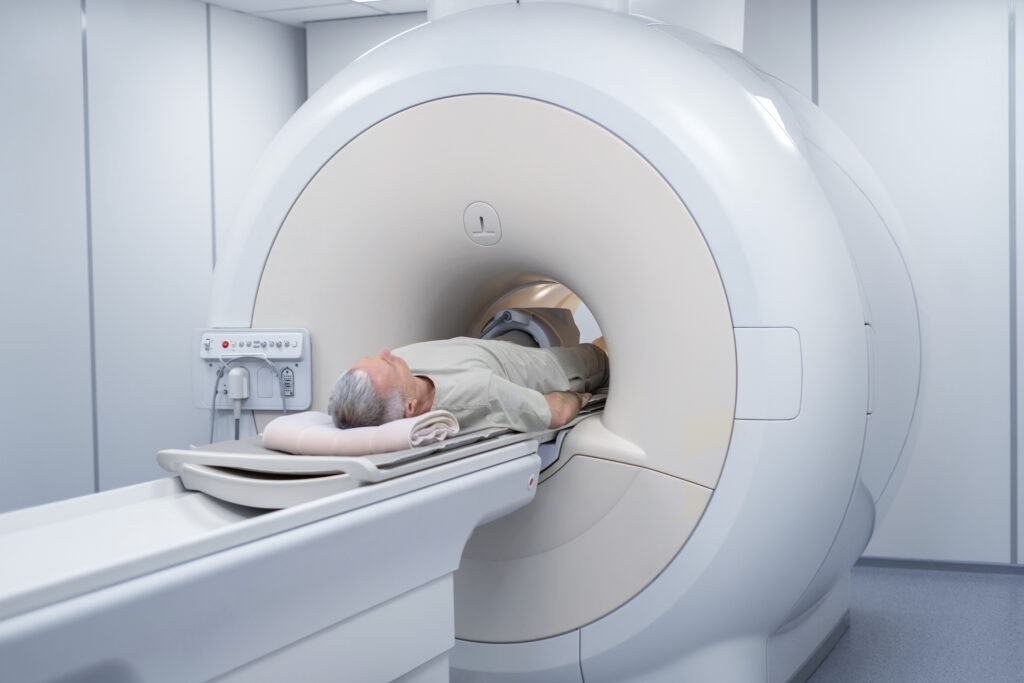
Wondering if you need an MRI for back pain? A spine surgeon in Thane explains when scans help, when they confuse, and why clinical examination matters.
How Long Will It Take Me to Walk Again After Spine Surgery

One of the most common questions patients ask before undergoing spine surgery is: “Doctor, how long will it take me to walk again?” This concern is very natural because mobility means independence, and nobody wants to stay confined to a bed for long.
Do I Really Need Spine Surgery or Are There Alternatives

Hearing the words “you might need spine surgery” can feel overwhelming. Back pain already disrupts your daily life, and the thought of an operation adds a new layer of fear. The truth is, not everyone with back or neck pain needs surgery. Many patients can be treated with non-surgical methods first, like medication, physiotherapy, or targeted injections.
How Robotic Spine Surgery is Transforming Back Pain Treatment

Back pain is one of the leading reasons for doctor visits worldwide, and it often disrupts daily life, work,…