
What is the Difference Between a Slipped
Disc and a Herniated Disc?
By Dr. Amogh Zawar, Consultant Spine Surgeon, KIMS Hospitals, Thane
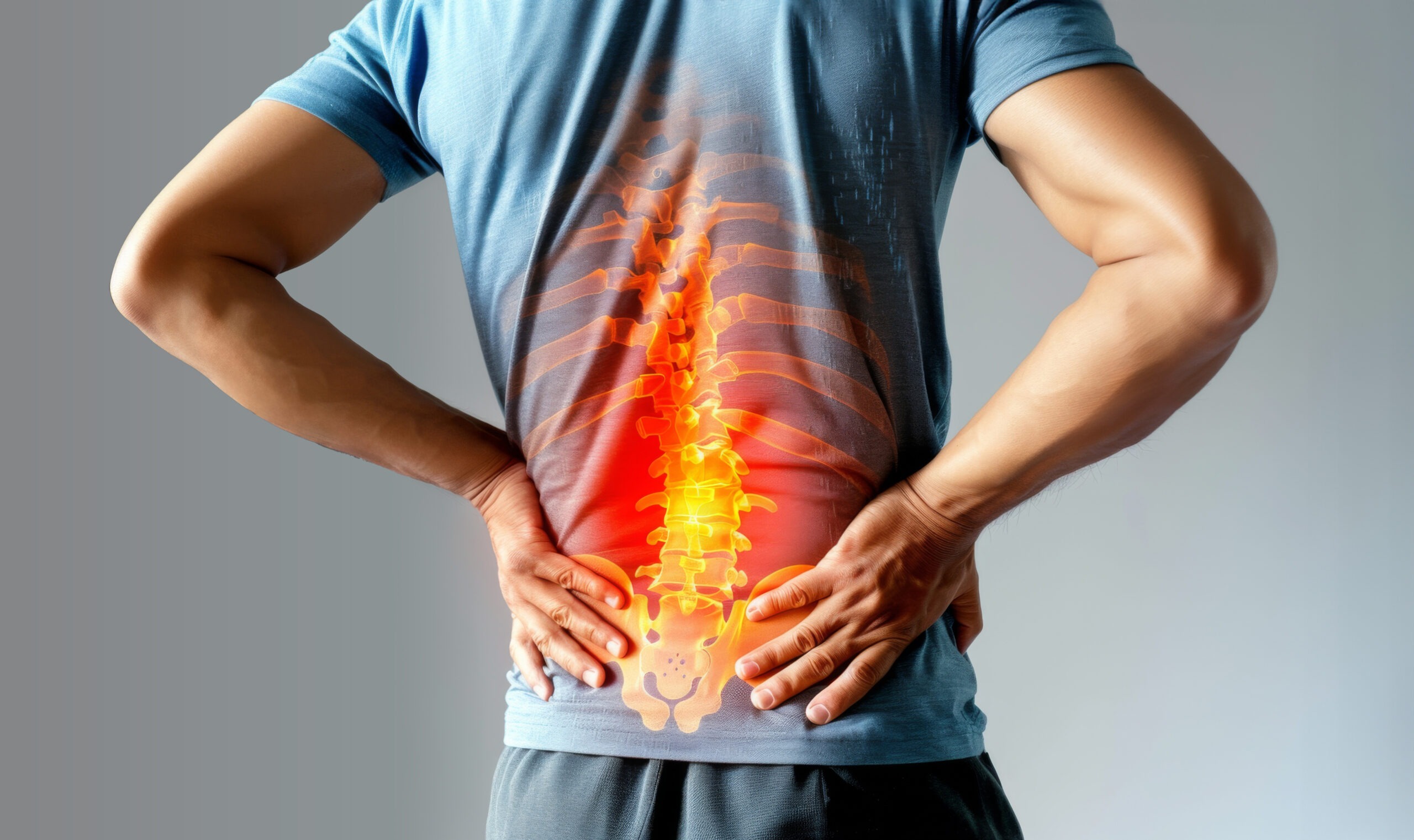
Back pain is a very common problem that affects daily life for millions. In fact, research shows that about 48 percent of people in India experience lower back pain. When your back hurts, you might hear doctors or friends use words like slipped disc or herniated disc. These medical terms can feel very confusing. Many people naturally wonder if they describe the exact same thing or if they are completely different conditions.
Understanding what is happening inside your spine is the very first step to feeling better. This simple guide will clear up the confusion between a slipped disc and a herniated disc. We will explore exactly what these words mean, why your back might be hurting, and the best ways to find relief so you can return to a happy and active life.
The Big Confusion About Back Pain
When people talk about back problems, they often mix up their words. You might hear someone say they have a slipped disc while someone else says they have a herniated disc. Because these terms get used interchangeably, it is easy to think they mean the exact same thing. However, they actually describe different stages of a spine problem. To understand these differences, we first need to look at how your back is built.
How Your Spine Works
Your spine is an amazing structure that keeps you upright and allows you to move freely. It is not just one solid piece but rather a complex stack of different parts working together.
The Bones and Cushions in Your Back
The spine is made up of small bones called vertebrae. These bones stack on top of each other to create a strong column. Between every single bone sits a soft rubbery pad. These pads act like shock absorbers when you walk or jump. Each pad has a tough outer layer and a soft gel inside. This smart design keeps your bones from rubbing together and gives your back its flexibility.
How the Nerves Connect
Right behind these bones and cushions runs a very important network of nerves. The spinal cord travels down the center of the bones and smaller nerves branch out through tiny openings. These nerves send messages from your brain to the rest of your body. When the soft cushions stay in place your nerves have plenty of room. But if a cushion changes shape it can press on a nerve and cause trouble.
What is a Slipped Disc
Now that you know how the spine is put together we can talk about what goes wrong. The term slipped disc is very common but it is actually a bit misleading.
Why the Word Slipped is Wrong
Spine cushions are firmly attached to the bones above and below them. They cannot physically slip out and slide around your back. Instead the tough outer shell of the cushion gets weak over time. This weakness allows the cushion to bulge outward beyond its normal boundary. Medical professionals often call this a bulging disc rather than a slipped one.
Signs of a Bulging Cushion
Because the cushion is only bulging and not broken it might not cause severe problems right away. Many people have a bulging cushion without even knowing it. If it does happen to lightly touch a nerve you might feel some mild aching or stiffness in your back. It is usually an early warning sign that your spine needs a little extra care.
What is a Herniated Disc
If a bulging cushion gets worse it can turn into a herniated disc. This is a more serious condition that requires proper attention.
What Happens When a Cushion Tears
A herniated disc occurs when the tough outer layer of the cushion actually breaks open. The soft gel inside pushes through this tear and leaks out into the spinal canal. This leaked material takes up space where the nerves usually sit. The gel also contains natural chemicals that can strongly irritate the nearby nerves.
Signs of a Herniated Disc
Because the leaked gel puts direct pressure on sensitive nerves the pain is usually much more noticeable. You might feel a sharp and shooting pain in your lower back. This condition can also cause sudden weakness or a strange tingling feeling in your body.
The Main Differences Explained
While both conditions involve the same spinal cushions they are distinct problems. Let us review exactly what sets them apart.
Moving Out of Place Versus Tearing
The biggest difference is the physical state of the cushion itself. With a slipped or bulging disc the cushion stays fully intact but just pushes outward slightly. With a herniated disc the cushion has completely ruptured and the inside material has escaped.
Differences in Pain Levels
Since a slipped disc keeps its shape better it is less likely to pinch a nerve hard. This means the pain is often mild. A herniated disc creates a much larger blockage in the nerve pathway. Therefore it typically causes intense and sudden pain that makes it very hard to move normally.
The Connection to Sciatica
When learning about back problems you will likely hear about sciatica. People often confuse this word with the disc problems themselves.
Understanding Sciatica as a Symptom
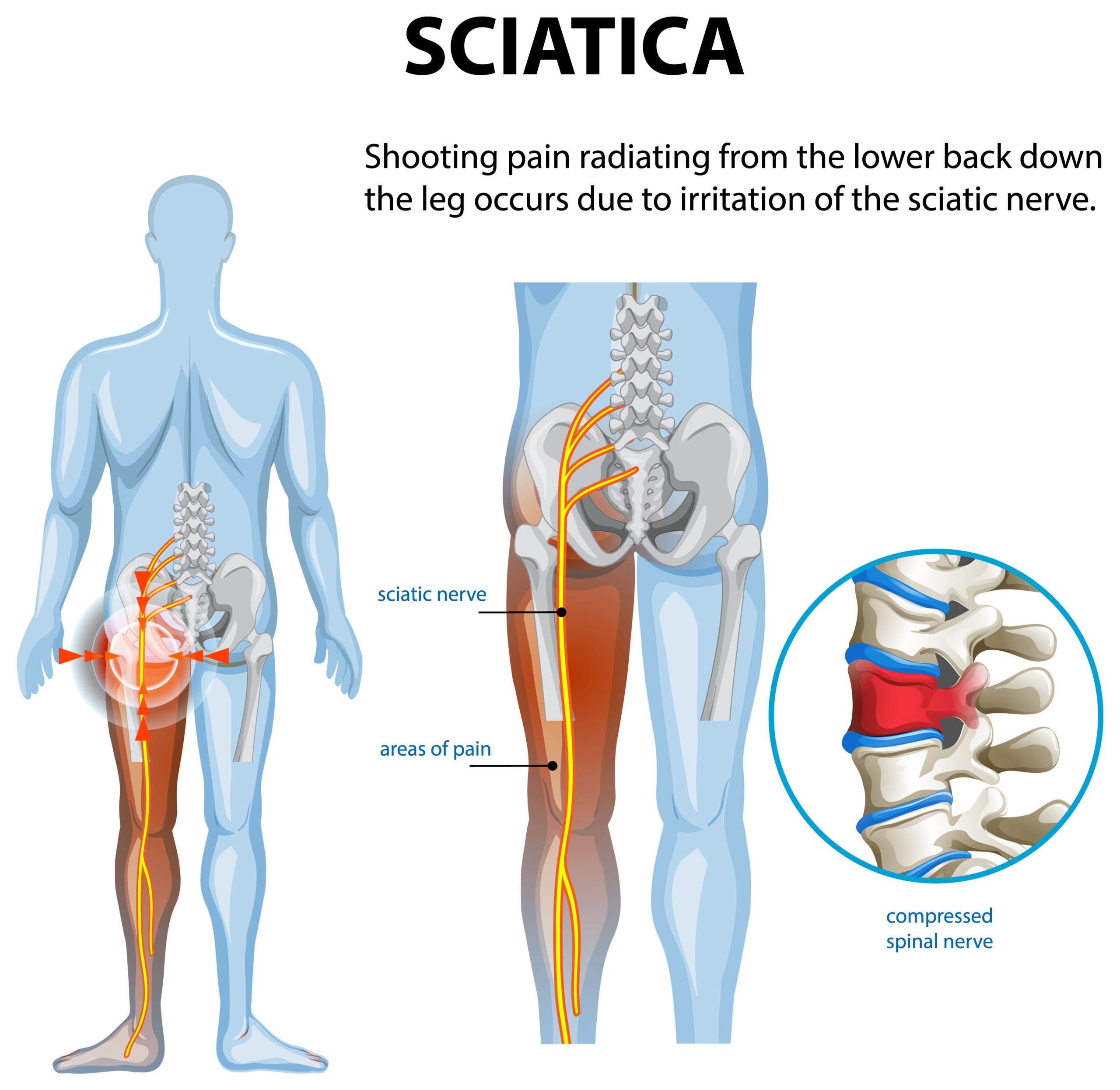
Sciatica is not a physical injury in your spine. It is actually just a word used to describe a specific type of pain. Your sciatic nerve is the largest nerve in your body. It runs all the way from your lower back down through your hips and into your legs.
Nerve Pain Traveling Down the Leg
When a herniated disc presses on this large nerve in your lower back it triggers sciatica. You will feel a burning or electric pain shooting down one leg. Your leg might even feel heavy or numb. The disc problem is the root cause while sciatica is the painful result you actually feel.
Finding the Right Answer
If your back is hurting you should not try to guess what is wrong on your own. Getting professional advice is the smartest path forward.
Talking to Your Doctor
A medical expert will start by asking you simple questions about your pain. They will want to know exactly where it hurts and what movements make it worse. They will also gently test your reflexes and muscle strength to see if a nerve is getting pinched. Meeting with a spine surgeon in thane can help you understand your options without jumping straight to an operation.
Getting Pictures of Your Spine
To be absolutely sure about your condition doctors will usually order a detailed scan. This special machine takes highly clear pictures of your spine. The pictures show the doctor exactly what your cushions look like and whether one is just bulging or completely torn. A good spine specialist in thane will carefully review these images with you so you can see exactly what is causing your discomfort.
Getting Better and Healing
The good news is that both of these conditions are highly treatable. You have many excellent options for recovery.
Resting and Simple Exercises
Most patients feel much better without ever needing an operation. The first steps for healing include resting properly and taking medicine to lower the swelling. After the sharp pain fades physical therapy becomes very important. A therapist will teach you gentle movements that stretch your spine and strengthen the muscles holding it together.
Working with a Team of Doctors
Sometimes back pain requires a few different experts. You might work with a physical therapist a pain expert and an experienced spine surgeon in thane. When these professionals share their knowledge they can build a recovery plan perfectly tailored to your exact body. This team approach gives you the absolute best chance at full healing.
How to Keep Your Back Healthy
Once you start feeling better you will want to keep your spine safe for the future. Building good daily habits makes a massive difference.
Sitting Tall and Moving Well
Poor posture puts extra weight on your spinal cushions. Try to sit up straight and keep your shoulders relaxed. It is also crucial to move around often. Taking short walks throughout the day keeps your spine flexible and healthy.
Lifting Things Safely
Many back injuries happen when people pick up heavy items the wrong way. Never bend at your waist to lift a heavy box. Always bend your knees and let your strong leg muscles do the hard work. Hold the object close to your chest to protect your back from sudden twisting.
When to Get Medical Help
Most everyday backaches will fade away with a few days of rest. However you should always seek medical advice right away if your pain is incredibly sharp or suddenly travels down your leg. If you live in the area reaching out to a spine specialist in thane is a great first step toward finding lasting relief. If you notice any extreme weakness in your feet or have trouble walking you need professional care immediately. Booking a consultation with a spine surgeon in thane will ensure you get the right treatment plan quickly. Taking action early stops small problems from becoming big ones and helps you maintain a strong and healthy body.
Conclusion Taking the Next Step for Your Spine Health
To wrap things up understanding your back pain is the first step to finding real relief. We have learned that a slipped disc means the spine cushion is bulging out while a herniated disc means the cushion has actually torn open. We also discovered that sciatica is simply the nerve pain caused by these conditions. The best news is that you do not have to live with this discomfort forever. With early care and the right medical advice you can heal and get back to your normal routine.
If you are struggling with back pain neck pain or shooting leg pain it is time to get expert help. Dr. Amogh Zawar is a highly trusted spine surgeon in Thane and a dedicated Orthopaedic and Spine Specialist. He has helped countless patients overcome conditions like slipped discs and sciatica using both simple treatments and advanced care.
Recent Articles
Our Treatments
Leading Spine Surgeon in Thane

Dr. Amogh Zawar
Specialist Spine Surgeon
FAQs on Walking Recovery After Spine Surgery
No. Most cases of back pain do not need an MRI in the beginning. A proper consultation and examination can often guide treatment. MRI is recommended only when there is a clear clinical need.
In most cases, it is better to consult Dr. Amogh Zawar first. After examining the patient, he can decide whether an MRI is actually required.
No. A disc bulge does not always need surgery. Many patients recover with non-surgical treatment. Surgery is considered only when symptoms are severe, persistent, or associated with significant nerve compression.
Patients with back pain, neck pain, sciatica, or spine-related nerve symptoms can consult Dr. Amogh Zawar, Consultant Spine Surgeon at spineFIX Clinics and KIMS Hospitals, Thane.
A spine specialist checks the patient’s symptoms, posture, movement, reflexes, muscle strength, sensation, nerve signs, and pain pattern. This helps identify the real cause of the spine problem.
Yes. Some MRI findings such as mild disc bulge or degeneration can be age-related and may not be the cause of pain. This is why clinical correlation is important.
Book Your Consultation with
SpineFix Clinic Thane
Share your details and our team will help you schedule an
appointment with Thane’s best spine specialist.
Visit Our Spine Clinic in Thane
Find Spinefix Thane and Get Directions for Your Upcoming Appointment.