spinal fusion surgery permanent back pain relief

Back pain is one of the leading reasons for doctor visits worldwide, and it often disrupts daily life, work, and overall well-being. Think of your spine as the main pillar of your body, holding everything up. When this pillar has a problem, it can feel like your whole world is off-balance. For a long time, the fix was traditional surgery, like a major construction project with a big crew and heavy tools. It worked, but it was messy, took a long time, and the recovery was tough. But what if you could have that same construction project done by a master craftsman with a laser-focused robot? That's what robotic spine surgery is all about. This new method is now available in Thane, offering a much smarter, safer way to get your spine fixed.
At Spinefix, patients are treated under the expertise of Dr. Amogh Zawar, one of the few surgeons in India specially trained in Robotic and Navigation Spine Surgeries. With his unique skillset and world-class technology, patients can now access international standards of spine care without leaving the city.
Imagine a GPS for your body. Before the surgery, we take a special picture of your spine to create a perfect 3D map. This map is like a blueprint for your spine. Dr. Amogh Zawar uses this blueprint to plan every single step of your spine surgery with extreme detail.
During the surgery, a robotic arm acts as an incredibly precise guide. It’s not the robot doing the surgery on its own; think of it more like a high-tech power tool that the surgeon controls. The surgeon guides the robot, which makes sure every cut and screw is placed with an accuracy of less than a millimeter. It's like using a perfect stencil instead of freehand drawing. This level of precision is impossible to achieve with human hands alone.
Robotic spine surgery can treat many common and complex spine conditions, including:
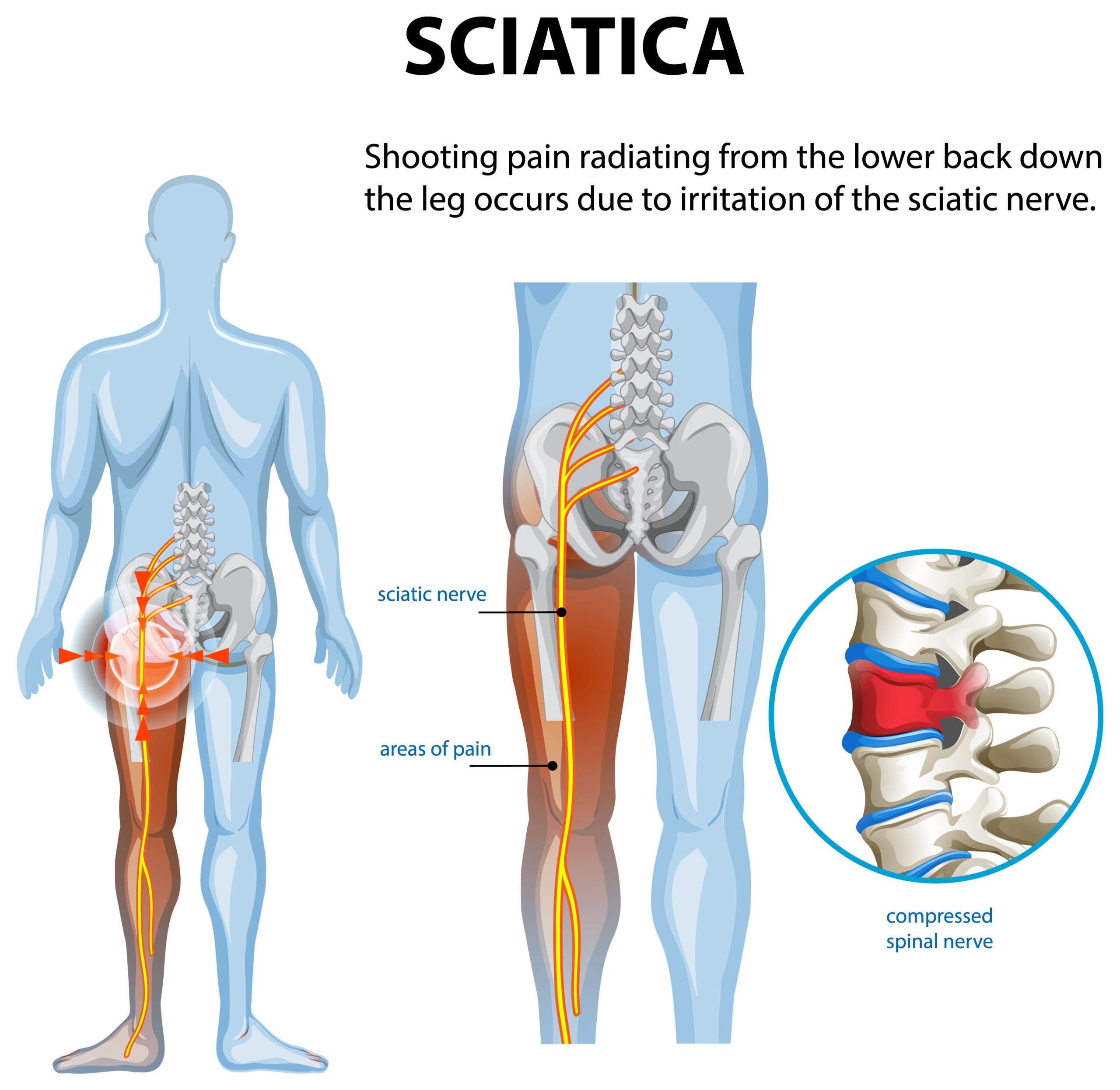
A herniated disc occurs when a soft cushion between your vertebrae slips, causing a slipped disc that can compress nerves. Our spine surgeon in Thane provides effective treatment for disc herniation, relieving pain and restoring function.
Spinal stenosis is a narrowing of the spinal canal, which puts pressure on the nerves and spinal cord. Our specialists offer advanced care for lumbar spinal stenosis, helping patients find relief from pain and regain mobility.
Scoliosis is an abnormal spinal deformity characterized by a sideways curve in the spine. We provide comprehensive diagnosis and management for scoliosis, creating personalized treatment plans to correct the curve and improve quality of life.
Spondylolisthesis is a condition where a vertebra slips forward over the one below it. As a leading spine surgeon in Thane, we specialize in treating degenerative spondylolisthesis, offering advanced surgical and non-surgical solutions
When facing back or neck pain that requires surgery, the options can feel overwhelming. For decades, the standard was traditional open spine surgery. While effective, it's a major procedure. However, with modern advancements, a new and better option has emerged: robotic spine surgery. Let's break down the key differences to help you understand why this new approach is a game-changer.
Think of traditional spine surgery as a major construction project. The surgeon makes a large incision to get a clear, direct view of the spine. To do this, muscles and tissues must be cut or pulled aside. This method has been used successfully for years to treat many conditions, from herniated discs to spinal deformities.
The downsides are significant:
In contrast, robotic spine surgery is like a high-precision, minimally invasive project. The surgeon uses a sophisticated robotic arm to perform the operation through small, "keyhole" incisions. The robot isn't a replacement for the surgeon; it's an advanced tool that acts as a guide.
While robotic surgery offers many benefits, it is not a solution for everyone. The best choice depends on a variety of factors, including your specific spinal condition, your overall health, and the surgeon’s recommendation.
Robotic surgery is often ideal for patients with conditions like spondylolisthesis, scoliosis, or herniated discs, especially if non-surgical treatments have not worked. However, it may not be suitable for some patients with significant spinal tumors, infections, or extreme deformities that require a more extensive approach.
The most important step is to have a thorough consultation with a qualified spine specialist who can evaluate your unique situation and determine the best course of action.
At Spinefix, your spine health is our top priority. Our team is led by Dr. Amogh Zawar, a dedicated and highly trained spine surgeon who is a true specialist in this field. We combine his expertise with the best technology available, ensuring you receive the highest standard of care without having to leave Thane.
If you’re struggling with back pain, don't just live with it. Consider the modern, safer solution that robotic spine surgery provides. It’s an upgrade for your body, helping you get back to a pain-free life.
Back pain can seriously impact your life, but with the advanced technology of robotic spine surgery, relief is more accessible than ever before. This procedure combines the skill of a top spine surgeon in Thane, Dr. Amogh Zawar, with a level of precision that leads to a faster recovery, less pain, and a quicker return to the activities you love. While traditional surgery still has its place, this modern approach represents a new standard of care. To determine if this cutting-edge treatment is right for you, the most important first step is a consultation with a specialist who can provide a personalized plan for your spine health.

Specialist Spine Surgeon
Find Spinefix Thane and Get Directions for Your Upcoming Appointment.